05 October 2011

Gettysburg

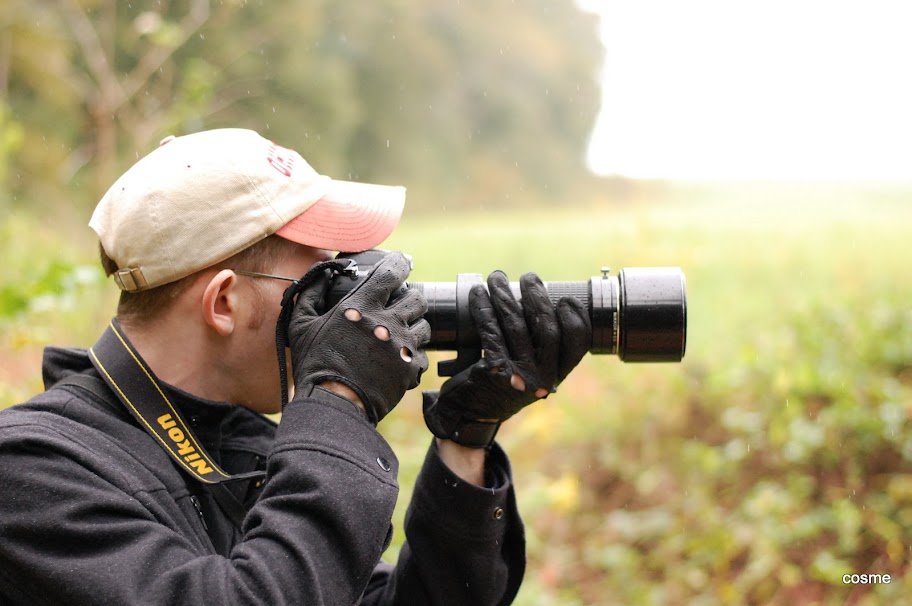
Shooting with the 400 f/5.6.

Took a trip to Gettysburg with friends this past weekend and really enjoyed a good shoot.  The weather wasn't too good, and my inexperience with shooting film really showed, as I was unable to overcome some minor issues with the film feeder and probably lost two and a half rolls of film on the day.

My favorite shot that I took was from inside of a church at a Lutheran seminary there:

85mm f/1.8 @ f/2, 1/100s, ISO 1600


The inside of the church was pretty dark but afforded some interesting views through the stained glass.  I'd like to do some distortion correction, but I liked this one also:

24mm f/2.8 @ f/2.8, 1/60s, ISO 800

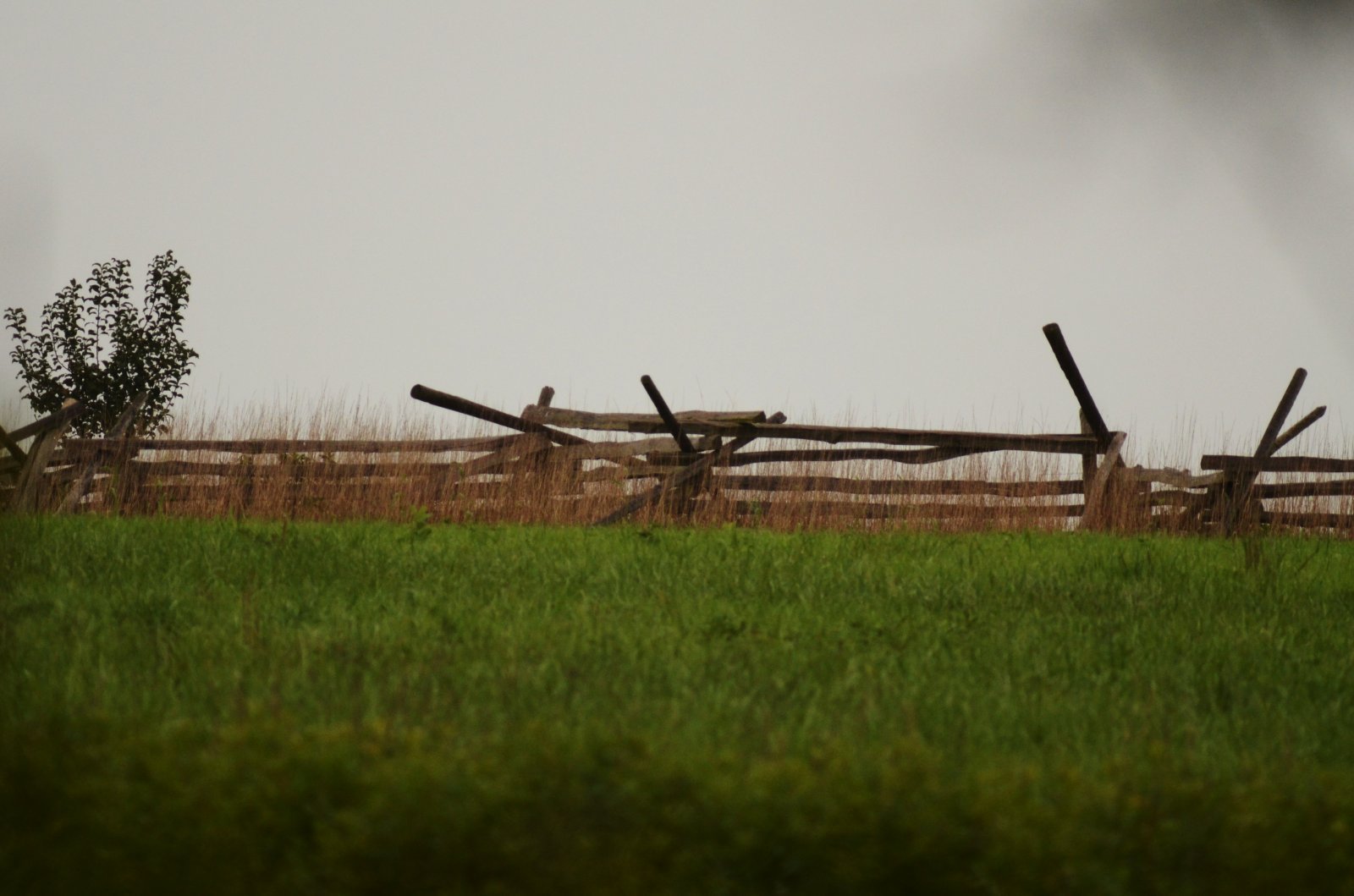
The 400 did not see as much action, but I did take a few shots on the way to Spangler House:

400mm f/5.6 @ f/5.6, 1/3200s, ISO 1000
400mm f/5.6 @ f/5.6, 1/800s, ISO 1000
400mm f/5.6 @ 5.6, 1/1250s, ISO 1000

All in all, a fun trip with good company.  Hopefully there will be more.  Two trips a year is not enough!

28 September 2011

More on Compression

To illustrate compression better, I've included the following pictures:


The one on the left is taken with the 85mm f/1.8.  The one on the right is taken with the 400mm f/5.6.  In this case, I tried pretty hard to keep them at the same size and fix the reference point (the brick column in the center of the background building).

The background in the second picture is much closer than it is in the first.  In a way this makes perfect sense.  What if we were going to focus on the background instead of the foreground?  It stands to reason that the background would "feel" closer with the longer focal length (greater zoom).

The important thing to realize is that when we keep the foreground elements the same size (roughly), the background will seem closer with a longer focal length.  In the first picture, I was perhaps six feet away from the subject.  In the second picture, it was closer to thirty or forty feet.  I would guess the background building is 500 feet or more away from the subject.

This, incidentally, is probably the way that we get some cool effects in Hollywood.  I'm thinking specifically of this shot from Lord of the Rings:


In particular, note in the beginning of the clip how the background changes compression.  What the filmmakers have done here is to rack the camera backward while zooming in.  A tree appears in the foreground while the background appears to get closer.  It creates just the sort of creepy experience you'd want when a Nazgul is about to appear.


23 September 2011

Focal Length and Compression

It's been awhile since I've been writing here.  This isn't because I haven't taken any pictures—it's because I have little time in my personal life to write much of anything, to say nothing of a photography blog.

However, I recently acquired a Nikkor 400mm f/5.6 AI-S and 85mm f/1.8 (AI'd).  Manual focus isn't everyone's thing, but I have enjoyed it a fair amount, and these are focal lengths of some interest to me, and help to illustrate how the longer focal length tends to "compress" a scene.

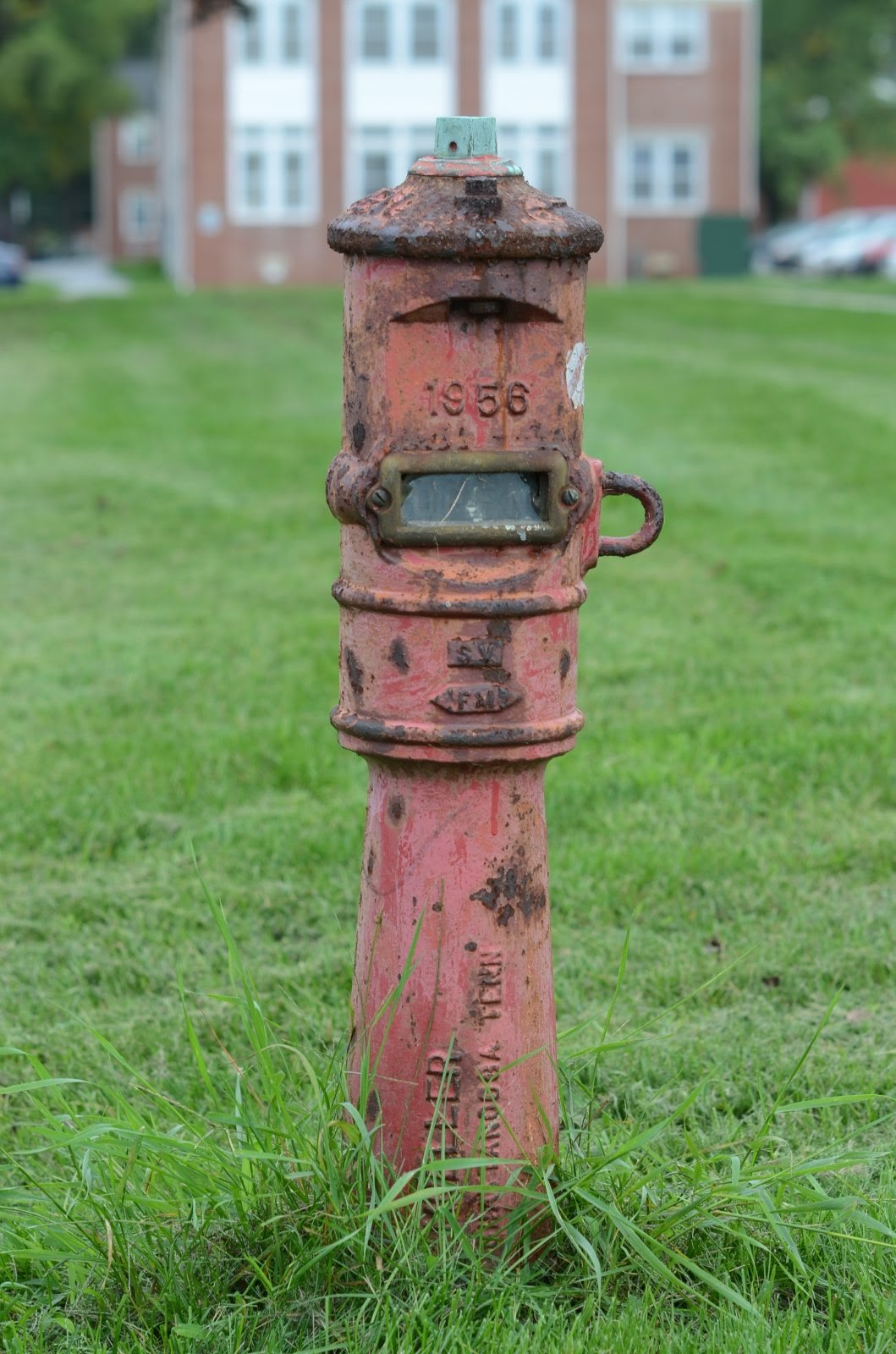
Here's a picture from the 85:

Fire hydrant?  85mm f/2.8, 1/5000s @ ISO 400

While they're not super obvious, there are clearly buildings in the background some distance away.  A somewhat equivalent picture from the 400:
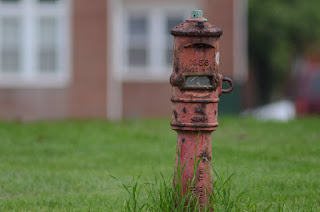
400mm f/5.6, 1/1600s @ ISO 800
I did not take the most extreme care to ensure that the scenes were identical, but hopefully the compression is fairly obvious.  The background "feels" so much closer in this image than it does in the previous.  This is due to the compression induced by the focal length.  What this means is that the longer focal length (i.e., telephoto lens) tends to bring the background closer while the shorter focal length (i.e., wider angle) will present a scene with greater depth.


And just to make you jealous, a moon shot from the 400; it's cropped, run through unsharp, and has been color corrected some:

400mm f/8, 1/1000s @ 800 ISO; hand-held

24 June 2011

Glut of Iceland

I've uploaded a lot of pictures from Iceland, but I've not yet done any technical work on any of the ones of interest: check them out.

I'll hope to have some commentary here eventually. I will say that the d7000 earned its stripes here, and the 70-300 was a good tool to have for some of the wildlife shooting. Continuous AF and reasonably snappy AF-S motor did a good job on several different shots.

The 28mm was the most commonly used lens on the trip; I was repeatedly disappointed that I didn't have anything wider, but I made do well enough with what was there.

02 June 2011

Upcoming trip

I'm going to be in Iceland soon, and hopefully once I return I can provide some interesting pictures and/or technique observations. The past months have been increasingly busy, and they don't show any signs of slowing down.